
Planning a visit to the Obama Presidential Center in Chicago? After visiting a few times…
Hope, History, and Home: My Visit to the Obama Presidential Center
The past few days in Chicago have felt electric. Between Juneteenth, the opening of the Obama Presidential Center, the excitement surrounding it, and the collective joy throughout the city, you can feel that this is a moment. Not just for Chicago, but for so many people who see themselves reflected in this story.
I received a few calls and texts asking if I attended the grand opening. My folks know I tend to get out and about sometimes but I sat this one out. Plus, I was working most of the day of the grand opening.
However, I did have the opportunity to visit the Obama Presidential Center before the public opening, and I’ve been sitting with that experience ever since.
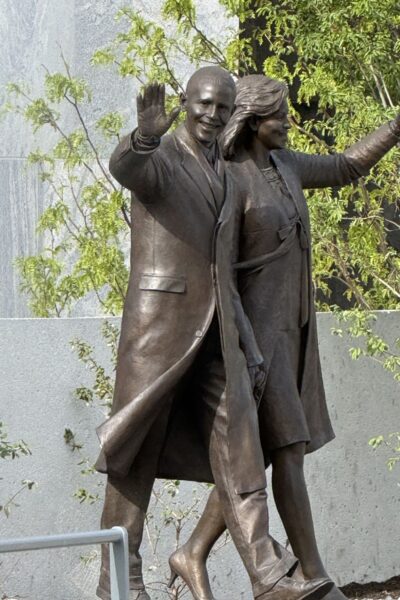
Truthfully, I’ve been hesitant to share my photos and videos. Part of me wanted everyone to have the opportunity to experience it for themselves before seeing it through someone else’s lens. But after visiting and then returning again on Juneteenth on the main campus I wanted to share a few thoughts.
This isn’t a review by far. That can be left to someone else.
This is my reflection as a Georgia girl living in Chicago. Perhaps that’s fitting because this week has caused me to reflect on much more than a museum.
Juneteenth, Legacy, and Why This Visit Felt Personal
On my law firm’s blog post, I wrote about my family’s connection to Juneteenth and what the holiday means to me.
For those who may not know, one of my ancestors, Davey Medlock, was present in Texas during the reading of the Emancipation Proclamation and later went on to serve in the Texas Legislature. Learning more about that history has profoundly shaped how I think about freedom, opportunity, and the responsibility each generation has to build upon the sacrifices of those who came before us.
You can read more about that journey in my Juneteenth reflection here.
As a lover of history in general, I know the significance of dates. Juneteenth is about more than a historical date. It is about legacy and that ordinary people can leave extraordinary legacies through service, courage, and participation in their communities.
Standing inside a space dedicated not only to a Presidency but also to civic engagement, democracy, and community organizing that story is apparent throughout. The stories preserved here are not just President Obama’s story. They are Michelle Obama’s story. The legacy of her family and presence in Chicago. And of course her magnificent fashions!
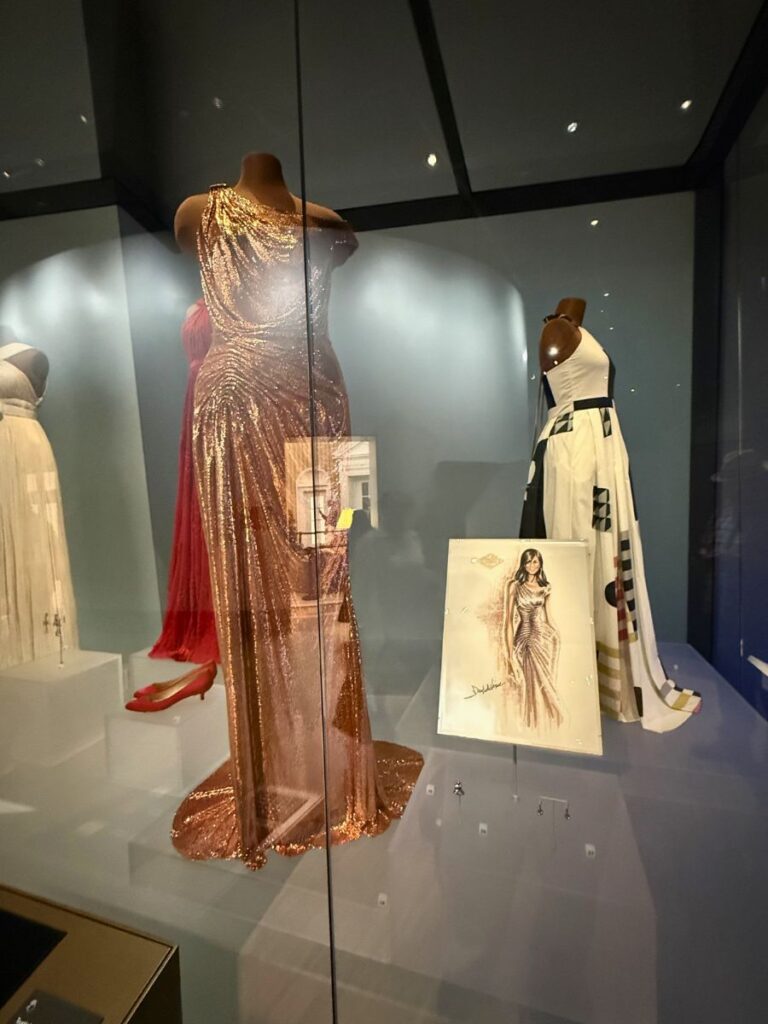
But the museum doesn’t START there- it makes you realize that this is America’s story.
And our stories too.
First Impressions of the Obama Presidential Center
From the moment you see the campus in the distance, you realize you’re approaching something significant.
The scale alone is impressive. What surprised me most, however, was that the grounds themselves are an experience.
You do not need museum tickets to explore much of the outdoor campus, and honestly, I encourage you to spend time outside before ever stepping through the doors.
The first lesson I learned?
Do not rush. A visit here is not the attraction you squeeze in before a flight or between dinner reservations. Or if you have a few hours to spare. This is the place to slow down.
There is simply too much to see, read, experience, and reflect upon.
More Than a Presidential Museum
Every floor seemed to offer something different. While much of the museum walks visitors through President Obama’s journey, campaigns, and presidency, Michelle Obama is deeply present throughout the experience as well.
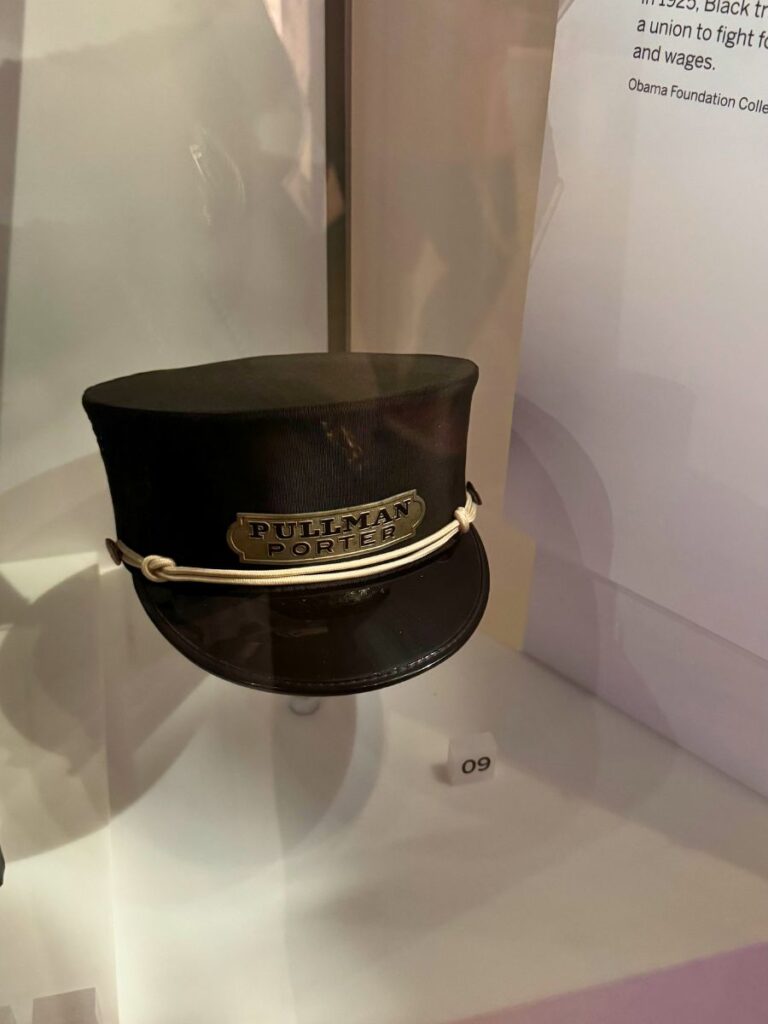
As a Chicago girl by way of Georgia, I found myself unexpectedly moved by the personal family artifacts and stories woven throughout the exhibits. To see personal mementos such as her piano book and artifacts from her time at Whitney Young- felt so ‘touchable.’
But what struck me most was that this isn’t simply a museum about one presidency.
Entire sections are dedicated to democracy itself—voting rights, civic engagement, community organizing, and the ongoing work of participation.
It was fascinating to see the impact of vote and the numbers of voting participants across the ages.
Regardless of politics, you can feel the intentionality behind every decision.
The architecture. The exhibits. The storytelling.
The way history is connected across generations.
There were moments when I would turn a corner and literally stop in my tracks.
There are some historical moments that predated President Obama entirely. Pieces of American history that felt larger than any single administration.
It was impossible not to be moved by the weight of it all.
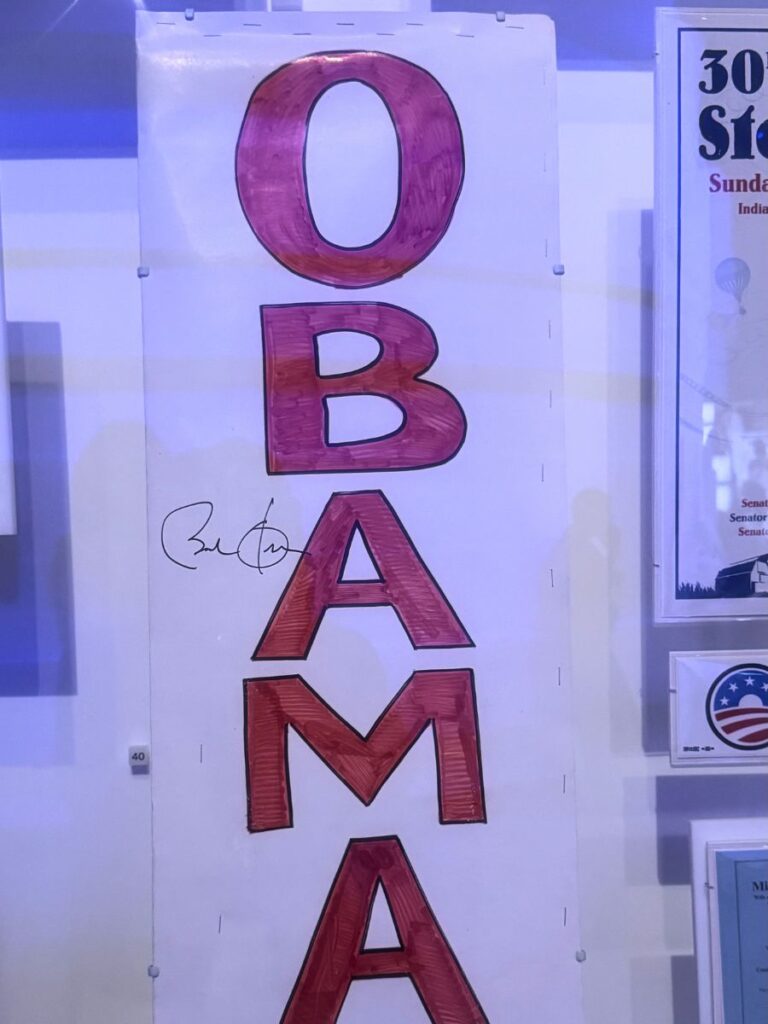
As you can probably tell by now, there is a lot to absorb.
A lot.
This is not a museum that rewards speed.
There are exhibits to read, videos to watch, moments to sit with, and stories that deserve your attention.
One thing I was specifically asked about was accessibility.
From what I observed, the Center has clearly prioritized accessibility. Braille, audio and video components, elevators, and thoughtful accommodations appear throughout the museum.
That said, visitors should know there is a significant amount of walking involved. If standing or walking for extended periods is difficult, I would strongly encourage planning ahead, taking breaks, or considering mobility assistance so that you can truly enjoy the experience.
The Gardens, Community, and My Favorite Part
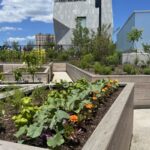
Outside, however, is where my WindyCityPeach heart absolutely lit up. And if you’re a gardener or love to see fresh vegetables – you will love it as much as me.
One of my favorite moments happened while talking with Aiden, one of the gardeners on staff from Urban Growers Collective. What started as a quick conversation turned into a full gardening discussion complete with photos of my own garden and a few exchanged growing tips. I was so excited when I visited again and he remembered me and we talked about what I was growing in my garden this season and some things we can look forward to for this gardening season.
The Obama Presidential Center’s partnership with Urban Growers Collective creates opportunities for visitors to engage with gardening, food systems, flowers, and community growing initiatives.
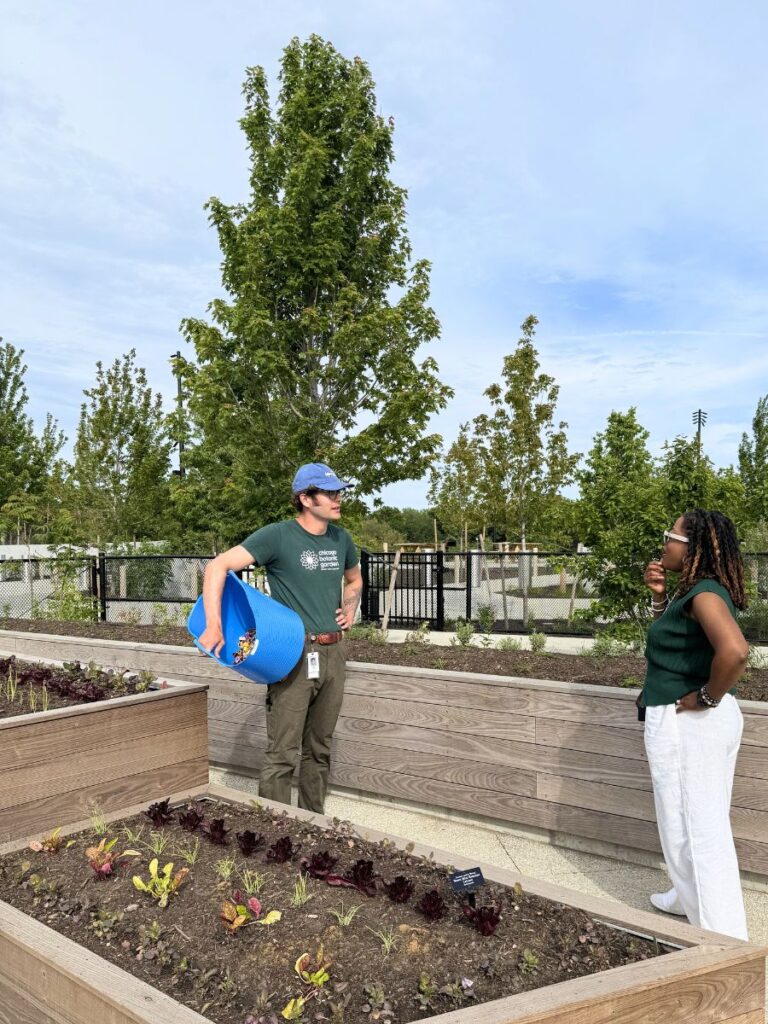
Then when I visited on Juneteenth, visitors were even able to receive plant cuttings and tomato plants.
As someone who literally wrote a gardening book, seeing growing spaces intentionally incorporated into a community-centered campus felt incredibly meaningful. Everyone remembers how First Lady Michelle had a garden on campus and her focus on healthy eating initiatives.
Gardens always mean legacy to me. Just like the museum.
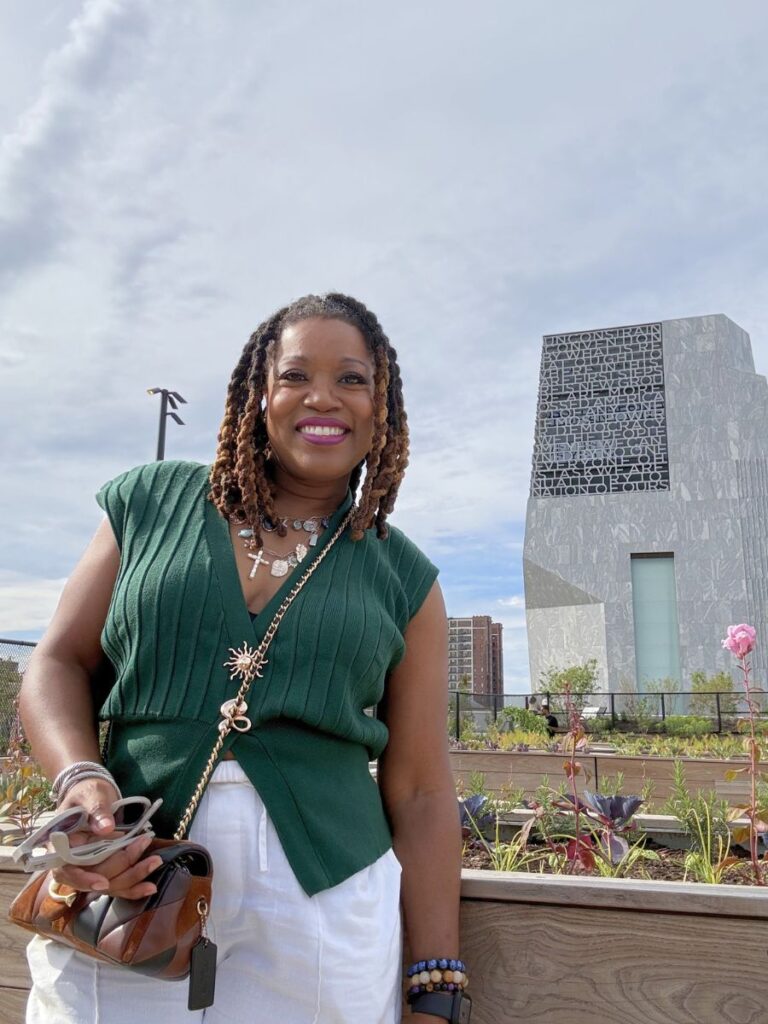
A Love Letter to Chicago
Anyone familiar with President Obama knows his love for basketball, so it was no surprise to see Home Court integrated into the campus experience.
But even that space felt bigger than sports. It was about community and wellness.
The day of my second visit, volunteers and organizations from across Chicago were present throughout the campus. The energy was joyful, welcoming, and distinctly Chicago.
As an adopted Chicagoan—hello, WindyCityPeach—I couldn’t help but think about what this space represents.
This isn’t simply a museum.It is a love letter to Chicago.
Particularly to the South Side.
There is even a Chicago Public Library branch on campus featuring local authors and community programming. And yes, I have already started dreaming about someone someday checking out my book, Harvesting Joy, from those shelves.
Leaving With Hope
The grand opening and Juneteenth celebrations reminded me of another moment in Chicago history – election night in Grant Park.
There was such a feeling in the air. Excitement. But also wonder. There were differing opinions.
But what I remember most is hope.
Standing on this campus years later, I felt some of that same feelings again.
Hope for the community, surrounding neighborhoods, and businesses. There’s also hope for the young people who will grow up seeing themselves reflected in these spaces.
I know there has been controversy surrounding the Center. I also know there are conversations people continue to have about it. This post isn’t about those debates- nor the place for it.
This is about what I experienced. What I experienced was a space intentionally designed to inspire people to engage, participate, learn, and dream.
As I left, I realized the thing that stayed with me wasn’t the architecture or the exhibits.
It was the possibility. President Obama was able to bottle up something intangible that in and of itself was nearly impossible then- but he has done it once again.
Thank you so much President Obama and First Lady Obama for what you brought to the Southside, the city of Chicago and the world once again. Hope.
If you’re planning your own visit, be sure to read my companion guide: Ten Tips for Visiting Chicago.


Leave a Reply